Department of Mathematics and Computational Sciences
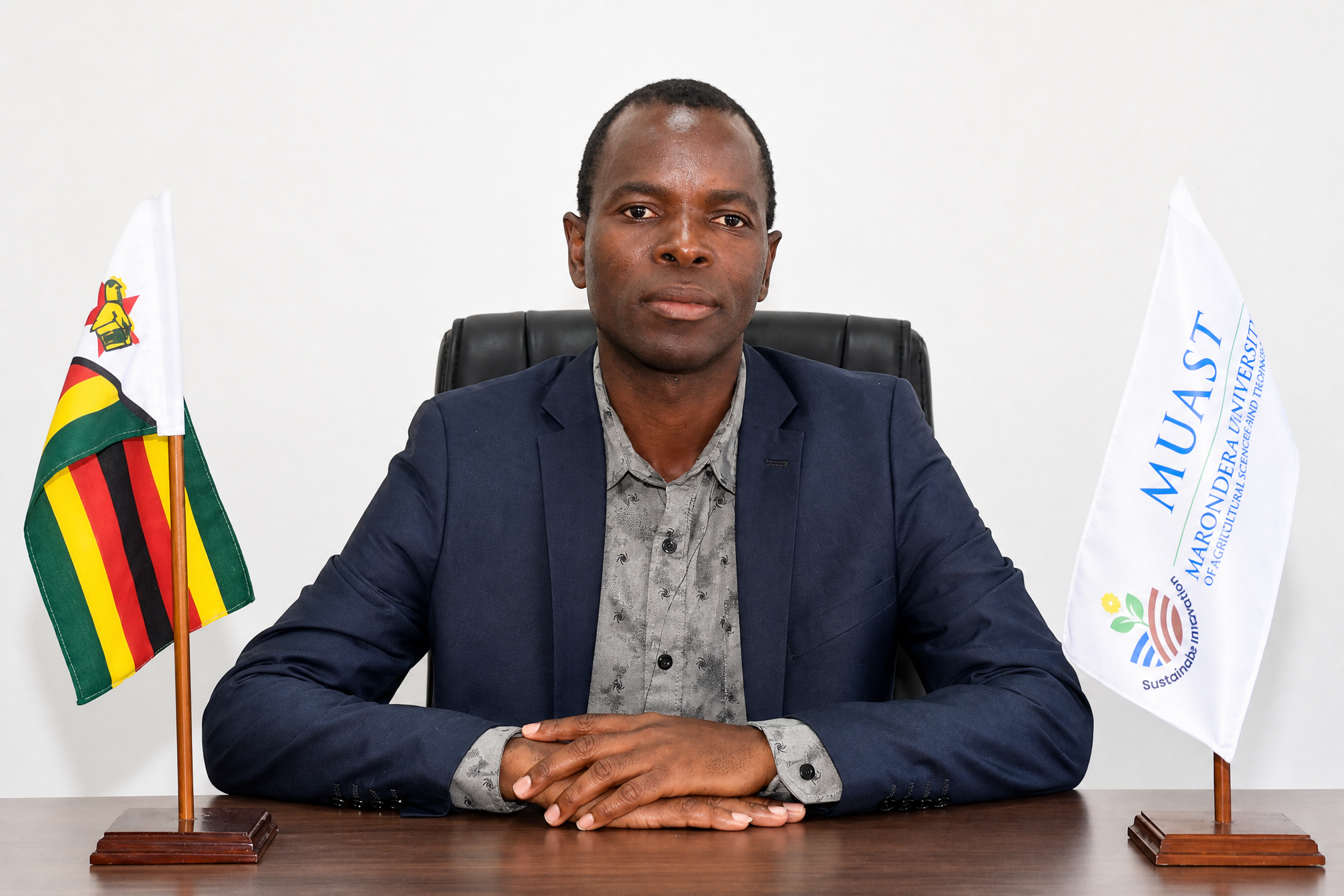
Gideon Mazuruse
Chairperson
Overview
The Department of Mathematics and Computational Sciences is a dynamic academic unit that provides a strong and interdisciplinary foundation in mathematics, statistics, and computational methods. The programme is designed to equip students with the knowledge and skills needed to solve complex real-world problems across science, industry, and society.
Students develop solid analytical, quantitative, and programming skills that support data-driven decision-making. The curriculum covers key areas such as pure and applied mathematics, statistics, computer programming, data analysis, and mathematical modelling. It also places emphasis on modern fields such as artificial intelligence, machine learning, and high-performance computing.
The department combines theory with practical application. Students learn to analyse data, build models, run simulations, and develop algorithms using widely used tools such as Python, SPSS, NVivo, Microsoft Excel, and Stata. This hands-on experience prepares them to work effectively with complex datasets and apply their knowledge in real situations.
In addition to its core programmes, the department supports other faculties by providing essential quantitative and computational training in areas such as agriculture, business, engineering, and environmental sciences. This strengthens interdisciplinary learning across the university.
Through teaching, research, and innovation, the department contributes to solving real-world challenges. Key focus areas include data analytics, statistical modelling, optimisation, operations research, and scientific computing. The department works closely with industry, government, and other academic units to develop practical and sustainable solutions.
Research within the department aligns with national and global development priorities. Staff and students engage in projects in fields such as agriculture, economics, environmental management, and technology development. There is also a growing focus on emerging areas like machine learning and computational sustainability.
Graduates of the programme are well prepared for careers as data scientists, statisticians, actuaries, quantitative analysts, and computational researchers. They can also work in academia, government institutions, and the private sector. Overall, the department develops skilled, adaptable professionals who can drive innovation and support informed decision-making in a rapidly changing digital world.
 WhatsApp Channel